


The time has come: you’re ready to choose a child care center. Whether you’re returning to work or seeking extra support during the day, it’s crucial to find the right fit. You want to entrust the most important member of your family to someone who truly cares. But what should you be looking for? You know a high-quality center is a must, but how can you be sure you’ve found the right one?
We’ve got you covered with this straightforward six-step checklist to help you find the ideal preschool program for your child. We look forward to meeting you and your family soon!
Before you visit, take a moment to consider what your family needs and wants from a child care center. Are you focused on preparing your child for Kindergarten? Or is social and emotional development more of a priority? You can also jot down any questions, concerns, or worries you may have. This is an important decision for your family, and all your feelings are completely valid.
Letters and Sounds
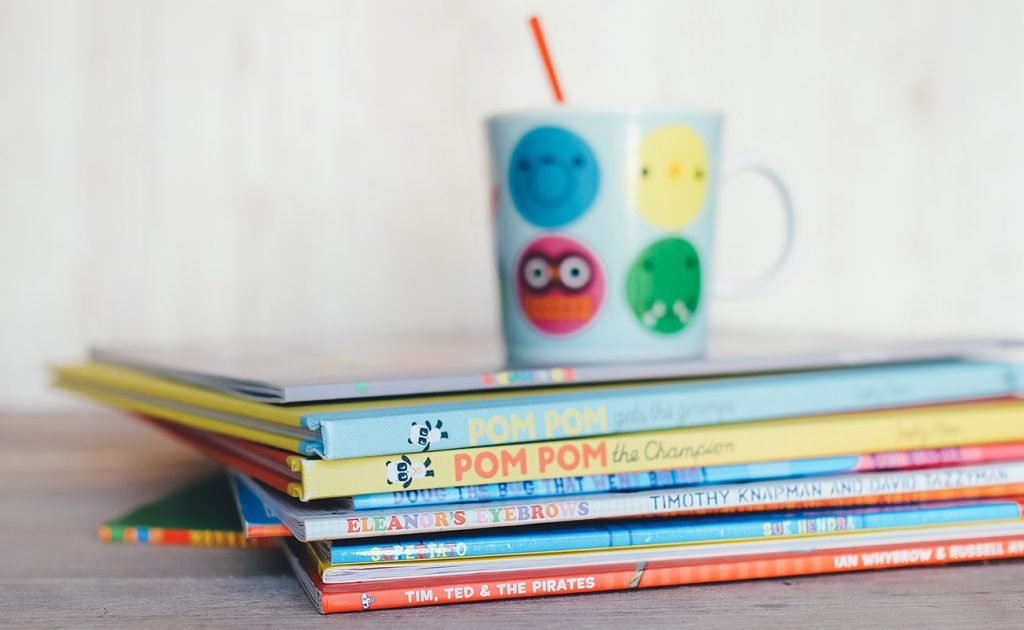
“Reading with your children at home not only sparks a love for reading, but it also benefits their academic growth,” says Susan Quinn, a reading specialist and elementary school teacher at Saint Brendan School in the Bronx, New York. Reading together fosters bonding and enjoyment while strengthening concentration, focus, and vocabulary.
The New Einstein’s Academy provides a unique program for children, focusing on empowering them through social interaction, play, discussion, creativity, and reflection. Recognized as one of the top preschools in Chicago, the academy offers a daily schedule that includes free play, interactive learning activities, and outdoor exploration. Additionally, the preschool organizes field trips every two months to enhance the children’s learning experiences.
It's always a good idea to begin with simpler books, as this helps children feel accomplished, which motivates them to continue reading and explore more.
Arjun Sharma Tweet
Quinn explains that Dr. Seuss books, with their rhyming patterns and simple vocabulary, are ideal for this age. Children learn best through repetition, so it’s helpful to read the same beloved books repeatedly, ask questions, and encourage your child to pronounce simple words aloud. Throughout the day, have them read words they encounter on street signs, advertisements, and digital screens, or challenge them to find common words in a magazine.
Encourage your child to write simple sentences like “The dog barked loudly.” Set up a special writing corner at home with supplies like crayons, pencils, markers, and paper to inspire creativity. Ask your child to write about their favorite activities, things they’ve seen, or places they’ve been. Take time to read their work together and praise their efforts. Show them how proud you are by hanging their creations on the fridge, in the living room, or on their bedroom wall to celebrate their progress!
Children at this age will begin to identify, write, sequence, and count objects up to 30. They’ll also practice basic addition and subtraction, such as adding numbers with a total of 10 or less and subtracting from numbers up to 10. This foundation in addition and subtraction will be reinforced and expanded upon as they progress through second grade.
Numbers and Counting
- Kids this age will learn to recognize, write, order, and count objects up to the number 30.
- They will be able to add and subtract small numbers (add with a sum of 10 or less and subtract from 10 or less); this focus on addition and subtraction will continue through second grade.
- Kids will learn how to name and describe common shapes (circle, square, triangle, rectangle) and to identify, sort, and classify objects by color, size, and shape.
Teach your child about the concept of time by pointing out the clock during daily routines. Use words like morning, afternoon, evening, today, tomorrow, and yesterday in your conversations. Create a visual timeline together that outlines their day, using simple drawings or pictures for activities like breakfast, playtime, or bedtime, and label each event with the time it happens. This hands-on activity helps them connect time with their daily schedule!
Five- and six-year-olds can also learn about the four seasons. Create a special weather chart or calendar to track daily weather changes and help them understand how the seasons shift. Look for pictures that represent each season, like falling leaves, snowflakes, blooming flowers, and sunny skies, and talk about what your child notices in each one. Discuss the types of clothing you wear during different seasons and why, making it a fun and interactive learning experience.


Really cool post! Thanks!